What Is "Queen Voice" — and How Do You Know If You Have It?
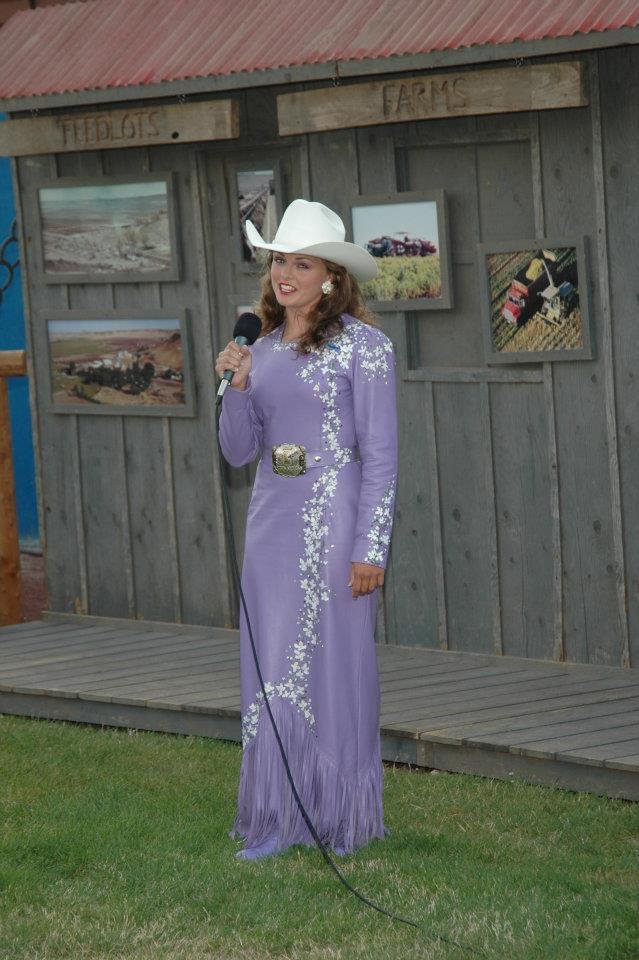
You've heard it. Maybe you've even done it. The predictable, slightly sing-song way of speaking that seems to follow every rodeo queen onto every stage across the country.
We call it “Queen Voice.” And if you're competing in speech, it might be holding you back, even if you don't realize you're doing it.
Where Queen Voice Comes From
Here's the thing: Queen voice doesn't come from bad coaching or lack of experience. It comes from something totally understandable: modeling success.
When a young competitor watches someone win the speech portion of a rodeo queen contest, she naturally starts to imitate what she sees. And what she sees gets passed down, season after season, until a very specific speech pattern becomes the default.
The result? A room full of competitors who all sound exactly the same.
The Telltale Signs
Queen Voice shows up in some recognizable ways:
Every sentence is about the same length
The pitch follows the same pattern in every sentence: it goes up, then comes down
There's a consistent pause after every introductory phrase ("Hi, my name is Alexis…")
The pace never changes from the first word to the last
The whole thing sounds polished, but not personal. Like you’re performing but don’t believe it.
One way to test yourself: record a run-through of your speech and listen back. If it sounds like a nursery rhyme, you've got some work to do.
Why It Matters
Judges hear a lot of speeches. When every competitor sounds the same, the ones who stand out are the ones who sound like themselves. They’re confident, natural, and genuinely invested in what they're saying.
The good news is that “queen voice” is completely fixable. It's a pattern, which means it can be broken. The key is learning the tools, like the 5 Ps of public speaking, that help you build vocal variety on purpose, rather than falling into predictable defaults.