
The Draw Horse Wild Card: How to Ride a Horse You've Never Met Before
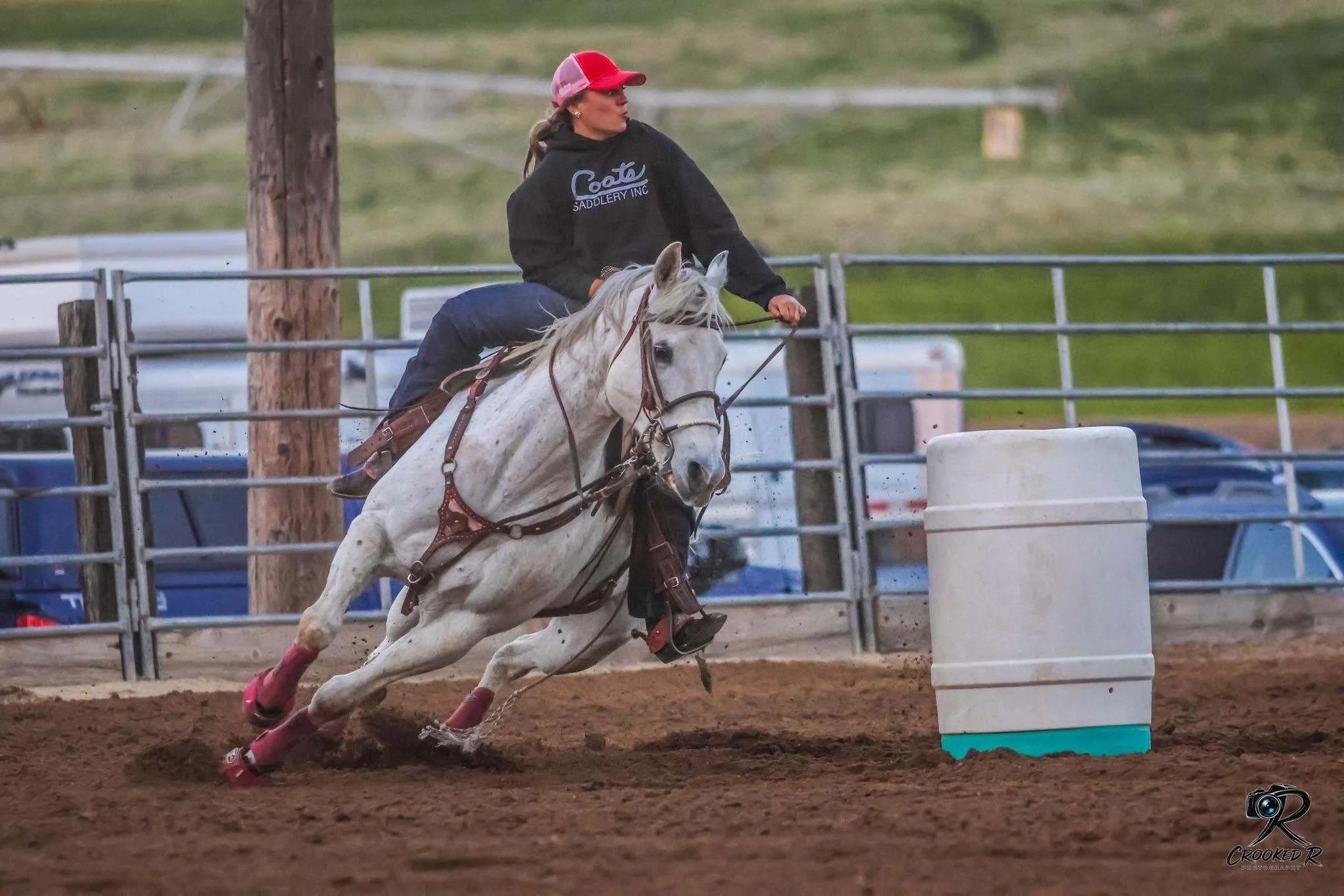
Photo courtesy of Beth Bahem
Whether it's a fully random draw at a big pageant or switching horses with another competitor mid-contest, draw horses are one of the great equalizers in rodeo queen competition. You can't control what you get. But you can absolutely control how prepared you are to work with it.
This is the one part of competition where I actually tell girls: watch your competition. Here's how to make the most of every draw horse situation you'll ever face.
A Good Run Starts Before You Ever Get on the Horse
At pageants like Miss Rodeo America, where all the horses are draws, you have a window of time to watch other girls ride before your own go. Use every second of it.
Watch for what's working. How long are their reins? How much pressure does this horse respond to? Does this horse want to move forward freely, or does it take more leg? And when things go sideways, ask yourself: what is the rider doing to cause that? Nine times out of ten, a horse that's acting up is responding to something the rider is doing, such as too much hand, too much leg, too much tension.
You can also keep notes, even simple ones. Write the horse number, a quick physical description so you can match it to your draw, and one or two key observations, such as:
Reactive horse. Use less pressure.
Doesn't want to give the right lead. Try from the left and change.
Herd bound. Ride away from the group first.
Reading the Horse in the First 30 Seconds
If you get any warm-up time at all, don't spend it drilling the things that looked rough on the horse. Spend it mapping the horse's body.
Can you move the hip? Can you move the shoulder? Can you side pass?
If you lift your hand, does the horse lift with you? If you lay a leg on, does something happen, or does it feel like pushing against a wall?
Is this horse light and reactive, or does it need more encouragement to go?
Even if you have zero warm-up time, patterns that start with a full lap around the arena are a gift. Use that lap to feel what you have. Does sitting slightly and shifting your weight back cause this horse to slow? If yes, you can probably push your speed differentials. If the horse has absolutely no response, you'll need to be more conservative about asking for adjustments mid-pattern.
How to Adjust on the Fly in the Arena
Once you're in it, the goal is simple: apply what you've learned, stay out of a fight with the horse, and ride what's underneath you.
Here are the most common scenarios and how to handle them:
The horse is reactive and hot. Less is more. Use the minimum pressure to get a response. If you hit a reactive horse with full leg or a sharp hand, you may not get them back. Keep your aids soft, add only what you need, and let them settle.
The horse is heavy and doesn't want to respond. You may need to be more deliberate and use more leg than you're used to. That's okay. Just build up to it rather than over-asking all at once.
The horse isn't picking up a lead. Don't drill it. Try changing the approach. Sometimes coming at it with a little more speed gives you the momentum for a cleaner departure. Move the horse's body first (hip over, ribcage soft) before you ask for the lead.
The horse is herd bound. Do your more difficult elements moving toward where the other horses are, not away. Work with the horse's instincts, not against them.
Something goes slightly sideways. Keep moving. Don't stop to correct something small and lose your whole pattern. If your horse takes the wrong lead, keep your circle shape, lope off, and try again. The judges are watching how you handle it, not just what happened.
How to Build a Freestyle Pattern Around What the Horse Can Do
If you're riding a freestyle pattern on a draw horse, this is your chance to be strategic. Design your pattern around the horse's strengths, not a template.
If this horse has a beautiful stop, use it more than once. If the horse really struggles with the right lead, consider setting up your pattern so you come in on the left and change. If a particular speed range feels comfortable and connected, spend more of your pattern there. The judges want to see the horse shown off — and you'll show it off best when you're working with it, not against it.
The Bottom Line
A draw horse is just another horse. You've been building skills on a variety of horses at home (and if you haven't, start now), and those skills transfer. You know how to ride a straight line. You know how to circle. You know how to ask for a stop and a backup and a lead change. Walk into that arena, get the feel of what's underneath you, and apply everything you know.
The girls who win on draw horses aren't necessarily the ones who got the best horses. They're the ones who stayed calm, read the horse quickly, and rode smart.
Want more expert horsemanship coaching like this?
This blog post was adapted from the “Winning in the Saddle” online clinic with Beth Bahem. Project Pageantry's Academy sessions bring top coaches and titleholders straight to you—no travel required. Get tips, techniques, and insider knowledge that can elevate your performance in the arena. Find and sign up for upcoming clinics here.
About the Author
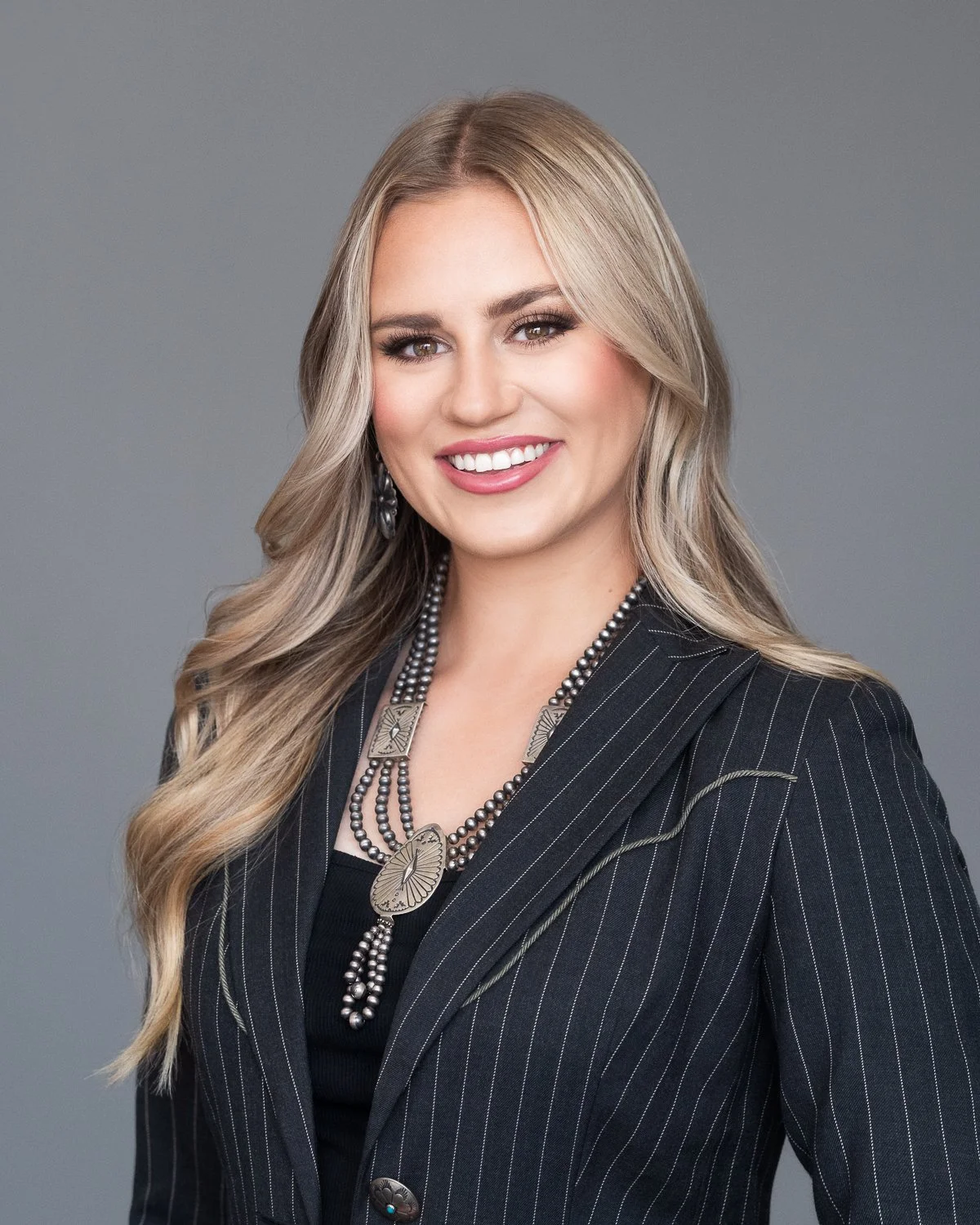
Photo courtesy of Beth Bahem.
Beth Bahem is a lifelong horsewoman and western lifestyle enthusiast who has held five rodeo queen titles, including the 2013 Miss Teen Rodeo Washington, the 60th Miss NPRA (2016), and the 2018 Miss Rodeo Washington title. At the Miss Rodeo America pageant, Beth earned second runner-up honors and took home the coveted Horsemanship Award. She competes in breakaway roping, barrel racing, and team roping, and remains deeply active in the rodeo community through coaching. Beth has served as head clinician numerous times and has judged state and local pageants, including Miss Rodeo Idaho (2023) and Miss Rodeo Oregon (2024).
