
Mastering Media
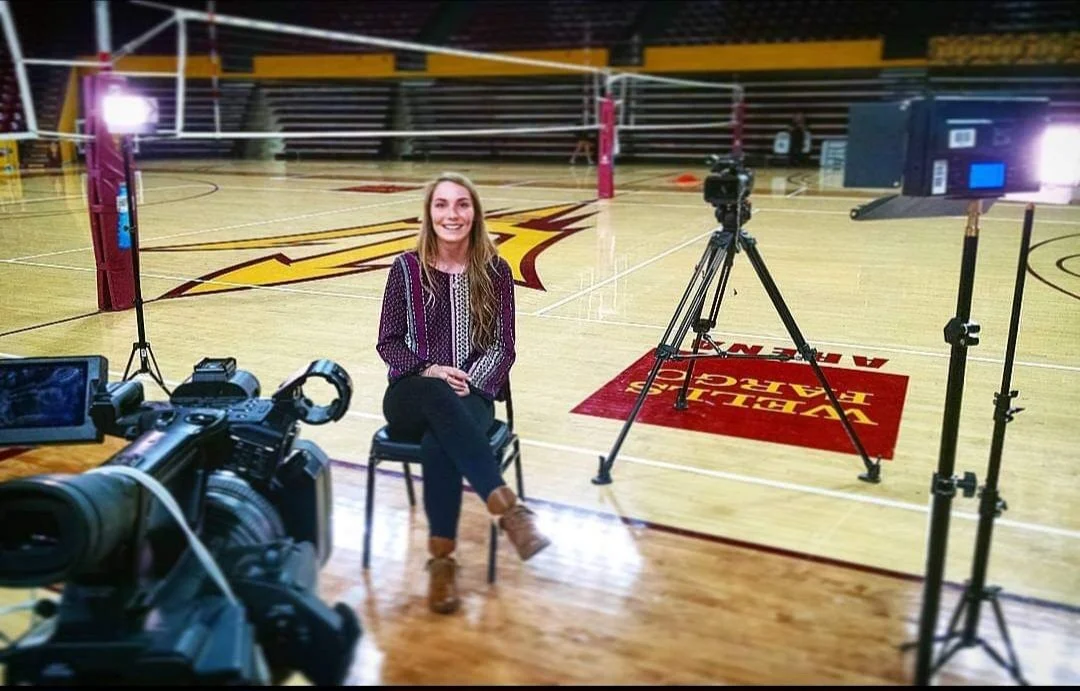
The moment you win a title, your job changes. You're no longer on the sidelines. You’re the public voice of your rodeo or organization, and how you come across on camera or on a microphone is now part of what you earned the ability to do. Titleholders are PR people, whether or not anyone ever puts it in those words. You're expected to speak well, promote your rodeo, and represent the sport as a credible ambassador, often to people who know nothing about rodeo at all. That's the job underneath the crown.
It's also why you're seeing more and more contests build a media interview directly into competition. Queen committees want to know that their titleholder(s) can actually do this part of the work. So consider this both contest prep and job training: a guide to every kind of media interview you're likely to face, from the interview room on contest day to the moment a reporter calls once you're already wearing the crown.
There's no single “media interview,” though. A sit-down for the evening news, a live shot on fair day, a podcast, a radio spot, and a microphone in front of pageant judges all call for different approaches, even though every one of them is really just you talking about rodeo. Here's how to think about each format, plus what to do the moment a question gets hard.
The True Media Interview
This is the one most people picture: a reporter sits down with you, camera rolling, but it's not live, and it's not airing exactly as you say it. That gives you room to work with. You might talk for fifteen minutes and only thirty or forty seconds of it makes the final story, so keep your answers to roughly 15 to 20 seconds each and treat every response like an elevator pitch. If they ask what to expect at the rodeo, you don't need to walk through the entire lineup. Share two or three specific, vivid details and stop there.
Here's the one thing I'd want you to remember from this section: when a reporter asks, “Is there anything else you'd like to add?” at the end, always have something ready. That question is where I got some of my best soundbites when I was on the other side of the camera, because by then people have relaxed into the conversation and they're delivering their message on purpose (or remembering their talking points!) instead of reacting to the questions. Use it to say the thing you most want people to remember, one more time, in your own words.
The Live Media Interview
Live is a different animal, because there are no do-overs. Whatever comes out of your mouth is what airs.
A few rules to live by:
Let the reporter physically position you, hold the microphone, and tell you where to look. Don't grab it, don't adjust it, don't try to help. And when it comes to where your eyes go, don't lock onto only the reporter. You're also talking to the camera and the audience behind it, so let your focus shift naturally between the two.
Keep your soundbites tight, since a live hit usually only runs a minute or two, though it will feel much longer in the moment. Stay put once you finish, holding your position until the reporter or crew signals you're clear. Don't wander off the second you say your last word, because you might still be on camera.
A microphone is live until someone confirms otherwise. I've watched a colleague get caught singing Baby Shark into a hot mic during what he thought was a commercial break. It happens more than you'd think. Assume it's on.
If a hard question comes up live, take the pause anyway. A second or two of silence feels enormous to you and is nearly invisible to everyone watching. I would always rather see someone take that breath than rush into a rambling answer.
Radio and Podcast Interviews
These are some of the most fun interviews you'll do, but they come with one rule that can trip people up. And that is that nobody can see you. I learned this the hard way as a young queen doing radio spots. I nodded along to a question, and the host had to stop and tell me, on air, that “Nobody can hear you.”
No yes-or-no answers either. If you can't show it, you have to say it. That means painting the picture with your words. Engage your five senses to do that: what the arena smells like walking in, the sound of the announcer, the lights on a drill team at night. Give people a reason to want to be there by highlighting what makes the event special, because we know that no two rodeos are alike. And because radio and podcasts give you far more room than a 15-second soundbite, use it. Tell the actual story. People remember stories.
This is also where a simple yes-or-no question becomes an opening. If someone asks whether the rodeo starts at seven, don't just say yes. Say yes, and mention the pre-rodeo events at six while you're at it or where they can get tickets, or let them know that it’s usually a packed house and they’ll want to be there early to find their choice seat.
Pageant and Contest Media Interviews
Every pageant runs these a little differently. Sometimes it's just you and a producer behind a camera. Sometimes the reigning queen holds the mic and asks the questions herself. Before you start, ask about the logistics so you’re prepared to do your best. Find out who's holding the microphone, where you should look, and what the format is. Settling that ahead of time means you can focus entirely on your answers instead of figuring out the choreography mid-interview.
Contest media questions also tend to run longer and are more layered than a real reporter would ask. Meaning, you can give a longer answer. The skill here is showing you know your subject without trying to cover everything in it. If a judge asks you to speak to every event and every top contender, pick the one or two most relevant and go into real detail on those instead of skimming the whole list. This interview exists to show judges, and often your queen coordinator or board, that you can be trusted in front of a camera. That's the actual thing being evaluated.
When the Question Gets Hard
Every format above eventually runs into a tough question, and the advice is the same no matter where you're sitting. Pause and take a breath. Silence feels unbearable to the person experiencing it and completely normal to everyone watching.
You don't have to accept a question exactly as it's asked. This is called bridging, and you can do it in interviews and impromptu, too. Acknowledge what was asked, then steer toward what you actually want people to know. If a reporter raises a concern about animal welfare, you can say you understand the concern, then walk through the real safety measures in place, like a veterinarian on-site at every PRCA rodeo and all of the rules in place to keep the animals safe. You're addressing the real question underneath the one that was asked, which is usually whether people should trust you and the organization you represent. And people like to know that you’ve heard them so saying that upfront can build trust and encourage them to listen to your answer.
If you truly don't know something, don't guess and don't freeze. Say you need to do more research on that particular topic before you speak about it, and then share whatever related thing you do know. Judges and reporters don't expect you to be an expert on everything. They're watching how you handle not knowing, which tells them more than a rehearsed answer ever could.
If you ever get asked something you shouldn't have to answer, you're allowed to answer around it. I once watched a titleholder get asked, live, in front of a huge crowd, which presidential candidate she planned to vote for. She never said a name. She talked about wanting a leader who represents people who feel unheard, thanked the judge, and moved on. That's not evasive; it’s controlling the conversation.
Every one of these formats rewards the same instincts: read the room you're actually in, and adjust to match it. Do that, and there's no microphone left that can catch you off guard.
Want more from Jessica and our other speakers? Find the lineup of clinics and speakers at Project Pageantry Academy.
About Jessica
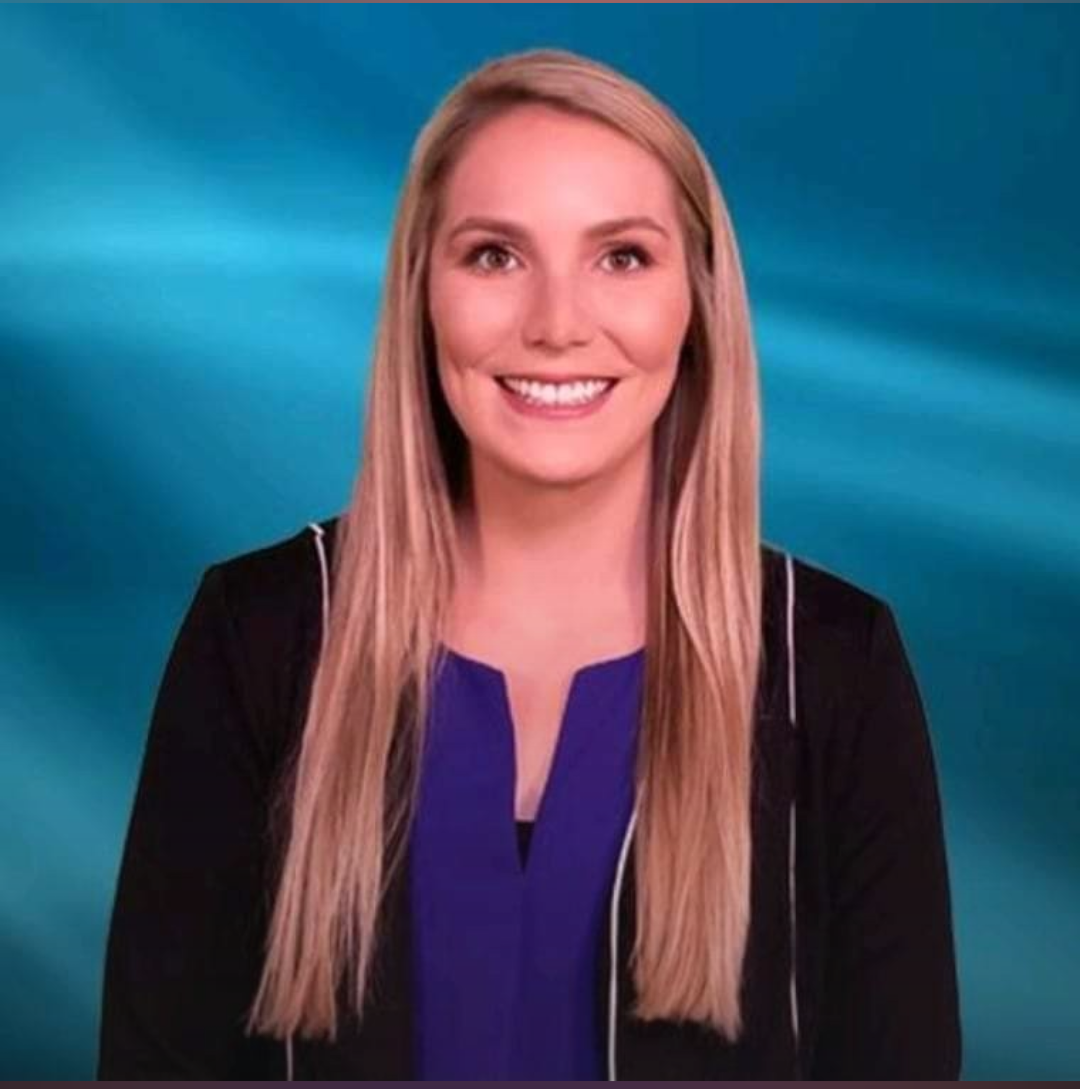
Jessica Watts is the public information officer for the City of Caldwell in Caldwell, Idaho, where she oversees the city's media relations, social channels, and public communications. Before that, she was director of communications for the Caldwell School District. Jessica built her career in TV news and video editing after earning her journalism degree from the Walter Cronkite School of Journalism at Arizona State University, reporting live from newsrooms in Montana along the way.
Before she was asking the questions, she was answering them. Jessica held multiple rodeo queen titles and competed for Miss Rodeo Arizona, and credits pageantry with sparking her love of public speaking and storytelling. These days, she spends her time helping the public digest complex information and understand everything from city council meetings to community events, proof that the skills built in an interview room outlast the crown.
