
How to Build Real Relationships with the Media as a Titleholder
The best interviews are rarely booked accidentally from something found online. They come from the people who are already trusted, can be called at a moment’s notice and will always have something a reporter can use. If you want reporters coming back to you as a titleholder, trust is the whole game, and it gets built long before any camera turns on.
As a representative of a rodeo or association, part of your job is to represent the organization at events, such as other rodeos, parades, schools, and community gatherings, and the other part is bringing publicity to the organization when it’s not on the event calendar. A good titleholder will be comfortable with the media and seek out chances to speak to them. The best way to do that is to be proactive and ready.
Reach Out the Moment You're Crowned
As soon as you win, and especially if the title is for a well-known rodeo in your area, you’ll meet reporters. This is your first chance to make an impression. Connect with anyone who interviews you by following them on social media and getting their contact information.
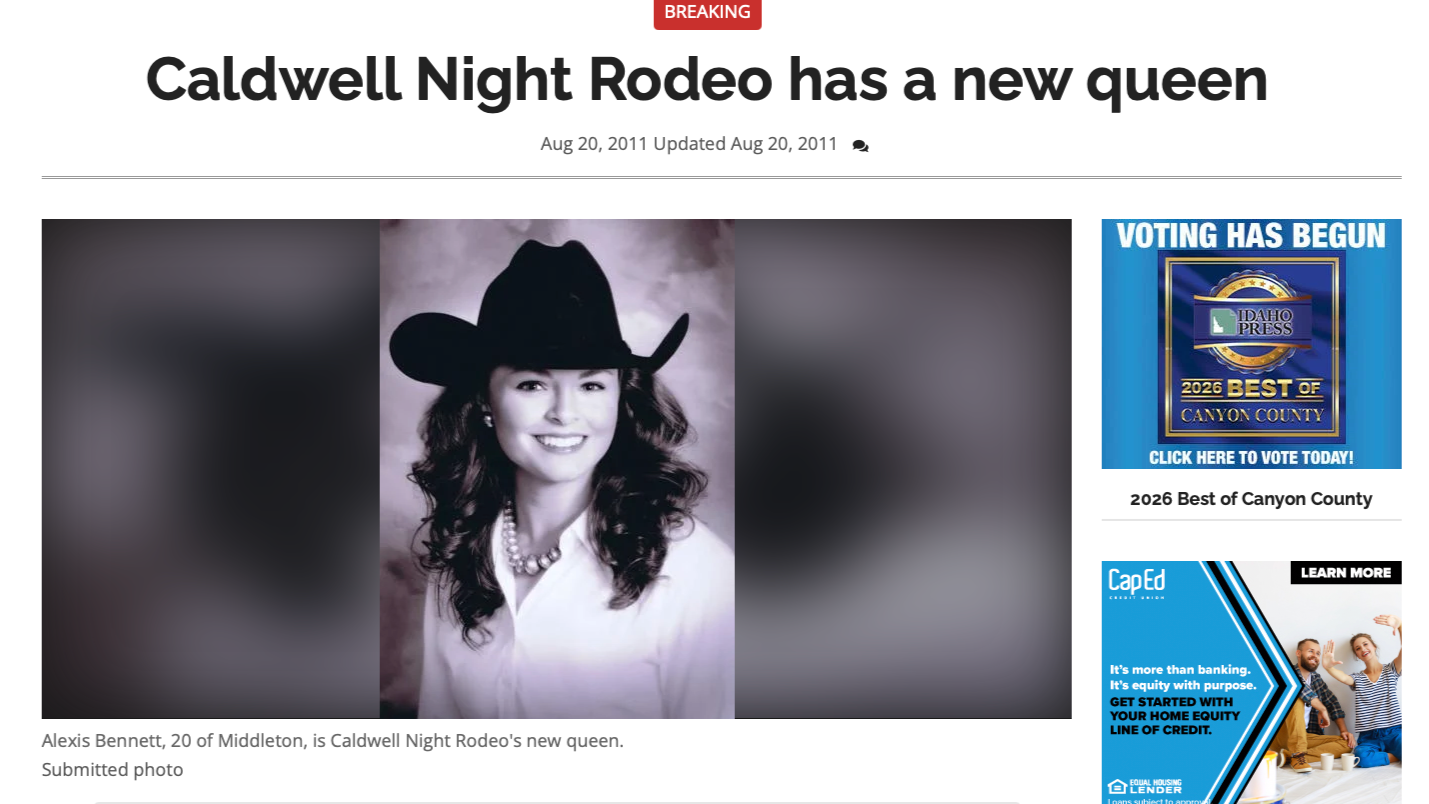
Next, do your own research. Follow local reporters in your area and in the area of the organization you represent on social media. When you win your title, send a short, simple introduction, including who you are, what you now represent, when your rodeo is coming up, and that you'd love to help if they ever want to do a story. That's it. You don't need a formal pitch deck. TV reporters, especially, are always looking for someone willing to be on camera, because their producers need soundbites, and a titleholder who's easy to reach and comfortable in front of a lens makes their job easier.
Be Reliable and Good on Camera
Those two things together are what make a reporter call you back. On slow news days, you want to be someone they can call for an interview, a quick quote, or a fast answer to a question they have. You want to be that person. Not the one who takes three days to respond, and not the one who gives a flat yes-or-no answer that leaves nothing for a story to work with.
Rodeo is more complicated than people in the industry like to think, and most reporters covering it don't know the sport the way you do. We can probably all think of a time we’ve had a friend ask a question that surprised us, like, “Do the barrel racers get extra points for their outfits?”
The instinct might be to laugh, but don’t. Answer everything like it's a completely reasonable question, because to someone outside the sport, it is. That patience is what turns a one-time interview into an actual relationship. Reporters remember who made them feel comfortable asking a basic question, and they come back to that person specifically the next time they need one, whether you’ve moved on to another title or not.
Know Your Message and Practice Like It’s Your Job
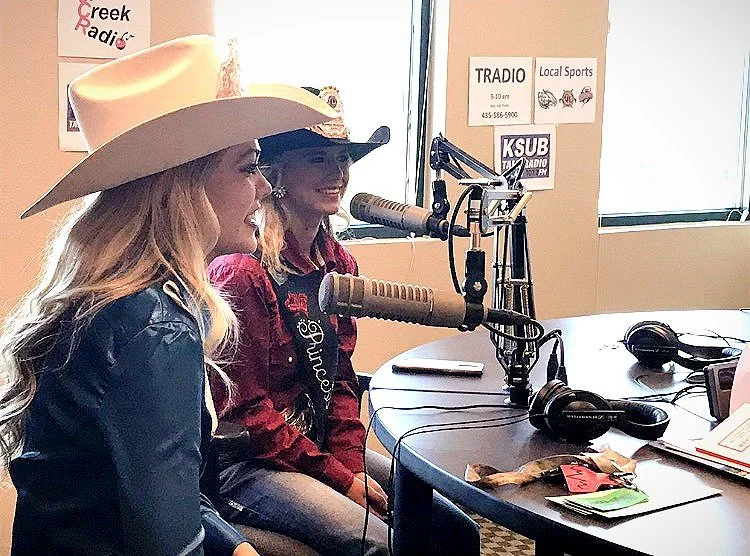
Photo from Mikyla Bagley.
Before any interaction with media, decide what you actually want people to walk away knowing. It might be as simple as your rodeo's dates, or as big as why the sport matters to your community. Everything you say should circle back to your rodeo and the job, not you. This is also just good practice for confidence. Know your message cold, and know you're the most qualified person in the room to talk about it. That makes the nerves manageable. It's fine to hype yourself up a little before you walk in, too!
Even people who have done this professionally still get nervous sometimes. What's changed is the amount of practice. You can replicate that! Before your interview, run through some questions out loud. Explain your event, your title, or a piece of rodeo terminology to someone with zero context, as many times as you can stand it. Watch yourself back, on your phone or in the mirror, when you're able to. You'll catch things, like talking with your hands too much or rocking back and forth, that you'd never notice otherwise. It's not always fun to watch, but it's the fastest way to get better, and eventually the moments that felt mortifying in the moment turn into the stories you laugh about later.
Media relationships get built one small interaction at a time. A followed account, a quick reply, a solid soundbite when someone's in a bind, and an interview that goes well and turns into a long-term publicity opportunity for the sport. Do enough of those, and you become the person a reporter calls without a second thought, long after whatever story started it all has aired.
Want more from Jessica and our other speakers? Find the lineup of clinics and speakers at Project Pageantry Academy.
About Jessica
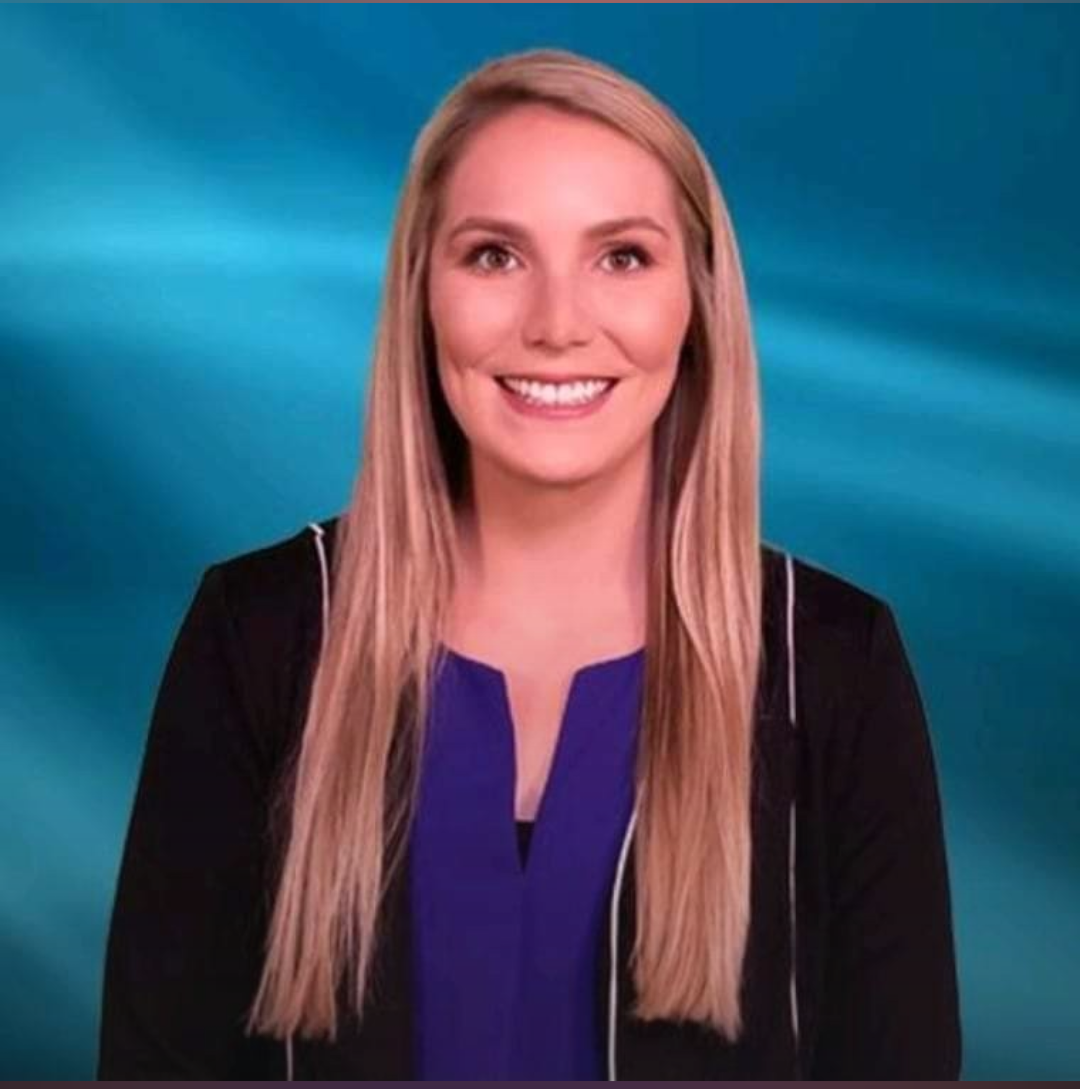
Jessica Watts is the public information officer for the City of Caldwell in Caldwell, Idaho, where she oversees the city's media relations, social channels, and public communications. Before that, she was director of communications for the Caldwell School District. Jessica built her career in TV news and video editing after earning her journalism degree from the Walter Cronkite School of Journalism at Arizona State University, reporting live from newsrooms in Montana along the way.
Before she was asking the questions, she was answering them. Jessica held multiple rodeo queen titles and competed for Miss Rodeo Arizona, and credits pageantry with sparking her love of public speaking and storytelling. These days, she spends her time helping the public digest complex information and understand everything from city council meetings to community events, proof that the skills built in an interview room outlast the crown.
