
Knowing the framework for extemporaneous speech for rodeo queens and having stories ready is the foundation. What turns it into a good speech under pressure is practice. The goal is for contest day to feel like just another speech, like you’ve delivered a hundred times. The only difference is that you just happen to have your hat on and your hair curled.
Practice the Way You'll Perform
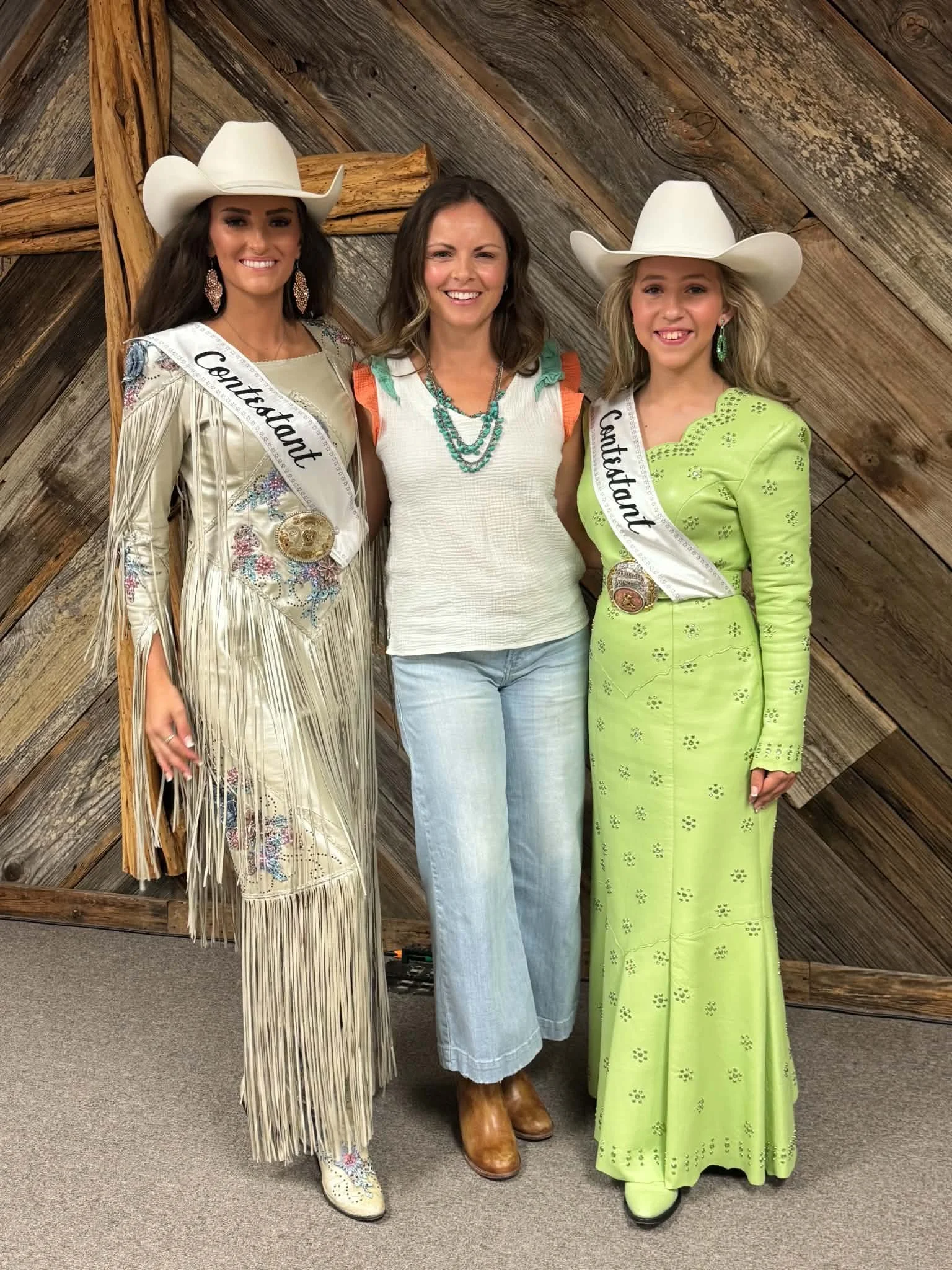
When you practice like you want to perform, whether it’s extemporaneous or prepared speech, you achieve outcomes you’ve never had before.
This is a big one. You perform how you practice, and if your practice is relaxed or unserious, unfortunately, some of that carries over because the polished version is new. Contest time isn’t when you want to be thinking extra hard about the details. You want those details to be automatic.
So, don't practice from the couch. Stand where you'd stand, hold the microphone the way you will, and give the speech out loud, the same way I tell girls to sit in an actual chair for interview practice instead of answering questions while lounging or playing in their swivel chair. When you recreate the conditions, you uncover things you'd never notice otherwise, such as a strange way you pick up the mic, a fidget, a habit in how you prep your outline in the back room.
Use Real Prompts
You almost certainly won't get a prompt you've practiced. But if a type of prompt has come up once, something similar will come up again, and the approach is the same no matter the wording.
Good places to find practice prompts:
Disney quotes. Search for ones that are about a sentence long.
Past Miss Rodeo America prompts, which often get shared on Facebook and elsewhere online.
Cowboy or general motivational quotes, including sports ones like Vince Lombardi.
Mix them up. Some will be quotes, some will be questions, and some will be a simple phrase. Practicing across all of them is how you learn to build a bridge from anything. If you run out of topics, have no fear, ask every friend, family member, teacher, coordinator, or coach to send you a few prompts you can use. You’ll be amazed what people come up with, and the variety will improve your prep.
Know Your Contest's Rules
Caution: Prep time and speech length may vary. I've seen girls asked to prepare a one-minute speech in two to three minutes, and whereas many state and feeder contests mimic Miss Rodeo America requirements, giving competitors 10 minutes to prepare a 90-second speech. Find out your contest's exact format so you practice the one you'll actually face.
When you're still learning the outline, take your time. Walk through the steps with no clock at all, so you're not adding stress on top of a new skill. Once you're a little comfortable (not perfect), add the time limit.
Then, practice with less prep time than you'll really get. I want you to be so comfortable building an outline quickly that you never end up in the back room frantically writing a speech and then walking straight on stage. When you do that, the frantic energy goes with you. Yikes! That’s not the energy you want walking on stage.
A Back-Room Plan for 10 Minutes
If you have 10 minutes, here's how I'd split them.
5 to 6 minutes: build your outline. Pick the story, write your bridge and your message, and add the hook last.
4 to 5 minutes: get your game face on. Run through the speech once, out loud, so the first time you say it isn't on stage.
That run-through matters for more than memory. If you change your mind about a phrase on stage, you can adjust it in the back, not when the judges can see. And if the timing isn’t right, you have an opportunity to add one more sentence or connect your story a little bit better.
Use some of that time to visualize, too. Close your eyes and picture yourself walking on stage: where you'll move, when you'll move, how you'll stand, whether you're smiling and fully present. It sounds a little woo-woo, but your brain finds it easier to do something it has already done. Imagining success is a free rep.
Get Feedback, Even If You're Your Own Coach
A coach or someone you trust is ideal. If you don't have one, you can still give yourself good feedback. You've watched enough contests to know what good looks like. Film yourself and watch it back, or practice in a mirror for instant feedback.
Treat what you see as information, not criticism. You're looking for a short list of things to work on. Fix those, then pick the next set. Repetition builds muscle memory, and muscle memory is what shows up when your nerves do.
That said, there are a few areas where many girls struggle. Here are some of them and how to avoid them:
Not knowing your content well enough. If you're still thinking about what your story says, you can't think about the bridge, the message, where you're moving, or whether you're smiling. Know your stories so you have room for everything else.
Overcomplicating it. Too many stories, too many ideas. One story is usually enough for 90 seconds, along with the bridge and the message.
Not landing the plane. You take off with your hook, bring the audience through your story, and then you have to come back down at your destination, which is your message. If you don't know where you're headed, you don't know where to land, and the audience is left with a nice story and no idea what to do with it.
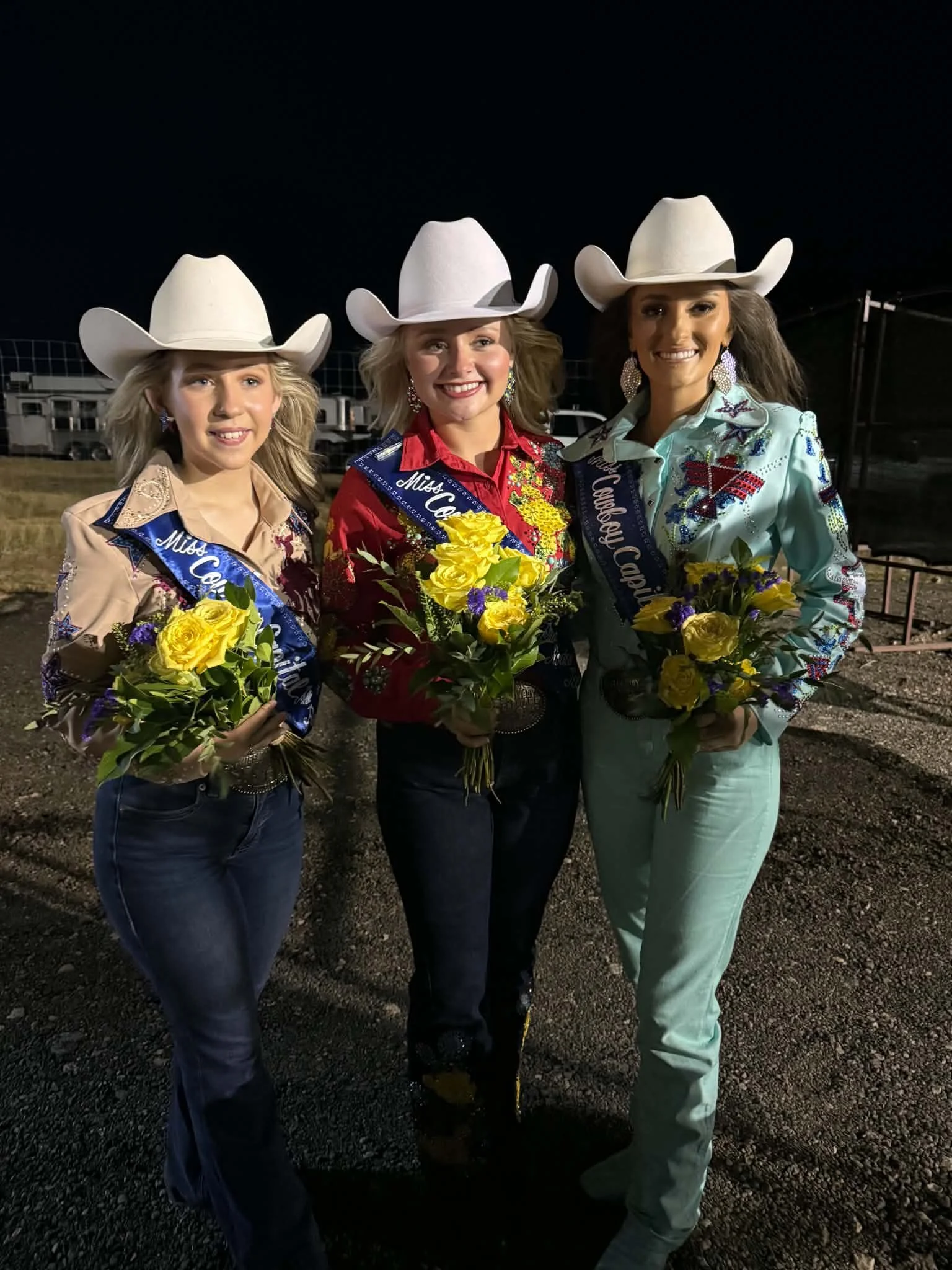
Both the Princess (far right) and Miss (far left) worked with Project Pageantry and won the speech category at their contest as a result of practicing their speeches the same way they wanted to give them at the pageant.
Trust the Process
Once you get to the contest, trust the work. You have a structure, you've done this many times, and getting in your head only derails you.
Rome wasn't built in a day, and neither is a great speech. Start practicing well before your contest. I usually meet with girls once a week leading up to a contest, and with Miss Rodeo America competitors, two or three times a week in the final stretch. By then, practice is routine. They know what it's going to look like, and speech at the pageant feels like another session instead of an event.
I worked with a girl preparing for Miss Rodeo America who told me she just needed to survive speech. She was an accomplished horsewoman and felt confident there, but speech made her nervous. We practiced all year. She won speech. Others have told me they felt an “immense sense of calm” as they sat in the back waiting, or they could “hear me in their head.”
None of this is luck; it's repetition. If she can go from surviving speech to winning it, you can build the same thing. If you’re competing in extemporaneous speech and what that kind of support, fill out the coaching interest form and let’s figure out the best fit for your goals.
