
Study Smart, Score High: How to Build a Study Routine That Actually Sticks
Somewhere along the way, studying became the thing every rodeo queen says she's going to do, and the first thing that gets dropped when life gets busy. Sound familiar? It doesn't have to be that way. The key isn't adding more hours to your day. It's figuring out how your brain actually learns, and then making that work for the life you already have.
Start With Your Study Style
Not everyone learns the same way, and trying to study like someone else is one of the fastest routes to burnout and frustration. The VARK model is one of the most useful frameworks for figuring out where you're strongest. VARK stands for Visual, Auditory, Read/Write, and Kinesthetic, and most people are a blend of more than one, with one or two that really click.
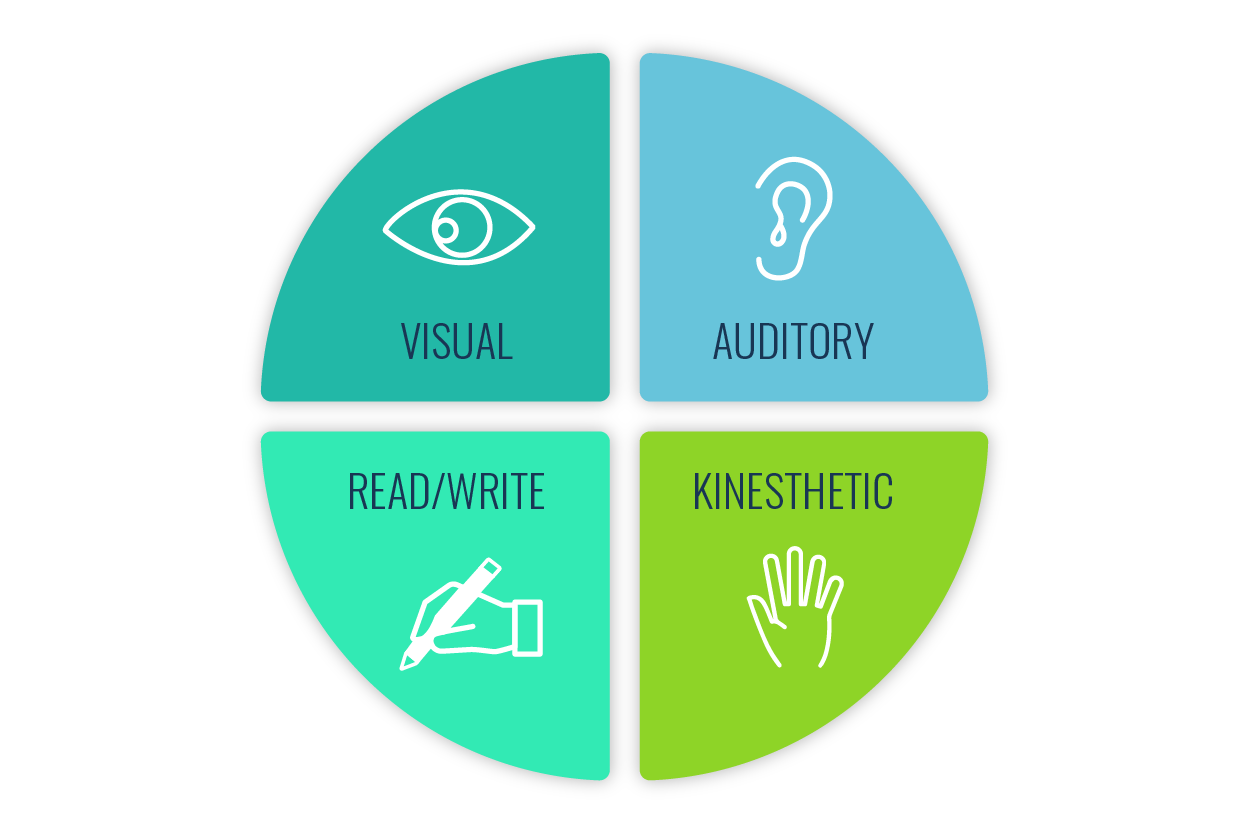
You can find your own VARK profile at vark-learn.com. Think of it like a personality quiz for your brain. Once you know your style, you can stop fighting how you study and start working with it.
Most people land in a blend of several styles with one primary preference. The goal isn't to pick one and ignore the rest. It's to identify where you're strongest and weight your studying toward that, while still experimenting with others. The worst study plan is the one you won't actually do, so try things, see what sticks, and adjust from there.
Visual Learners
If you think in pictures and remember information better when you can see how it's organized, you're probably a visual learner. These are the students who light up when someone draws a diagram instead of just explaining something.
What this looks like in practice:
Reach for flow charts, maps, and diagrams over blocks of text as they help you see relationships between concepts rather than just memorizing isolated facts.
Use color, shapes, and spatial organization in your notes, such as color-coding rule categories or event types can make a big difference when it comes time to recall specific details.
Design infographics or sketch out connections between topics. One former queen was a talented artist who drew and labeled all her tack instead of reading descriptions, and it worked beautifully.
Visual learners often do well building a kind of mental map of rodeo knowledge, piecing together where everything connects to everything else, rather than trying to memorize one fact at a time.
Auditory (Aural) Learners
If you've ever found yourself talking through a problem out loud, or retaining way more from a conversation than from a textbook, you're probably wired for auditory learning. These are the learners who benefit from hearing information, not just reading it.
What this looks like in practice:
Podcasts are your best friend. Turn on a rodeo-related podcast during your morning routine, your drive, or while you're doing chores. You're going to be doing those things anyway so studying is a bonus.
Have your mom, a friend, or a study partner read questions to you out loud instead of handing you a flashcard.
Talk through concepts and explain what you know about a rule out loud, as if you're teaching it to someone. If you can say it clearly, you know it.
Group study sessions or discussions can be especially useful because hearing other people's questions often surface gaps in your own knowledge you didn't know you had.
Read/Write Learners
If you process things best by reading them carefully and then writing them back out in your own words, this is your lane. Read/write learners tend to love rulebooks, annotating margins, and organized note-taking.
What this looks like in practice:
Print off the PRCA rulebook and get it bound. Read it with a pen in hand, and write questions in the margins, circle things you want to revisit, and make lists of anything you're not sure about.
Keep a running list of questions to bring to your coach or look up later. Getting them out of your head and onto paper frees up mental space.
Rewrite key concepts in your own words. Transformation, the act of taking information from one form and restating it, is one of the best ways to cement knowledge for this learning type.
Kinesthetic Learners
Kinesthetic learners need to connect information to experience. They learn by doing, by moving, or by engaging with real-world examples. Sitting still and reading for hours is the fastest way to lose a kinesthetic learner.
What this looks like in practice:
Study while moving, such as walking while you review rules in your head or quizzing yourself while riding.
Connect what you're learning to what you're seeing. At a rodeo, spot rules in action, befriend a competitor, and ask them questions about what's happening in their event. Your time at rodeos isn't just queen time; it's classroom time. Talk to stock contractors, chat with contestants, and ask questions at every rodeo you attend — not as extra work, but as a way to learn.
Try chewing gum, using a fidget spinner, or doing something with your hands while you study. For some kinesthetic learners, the physical stimulation helps information land better.
Learn a concept by teaching it. Explain the rules of tie-down roping to a friend who doesn't know rodeo. If they can follow you, you know it.
Finding Study Material
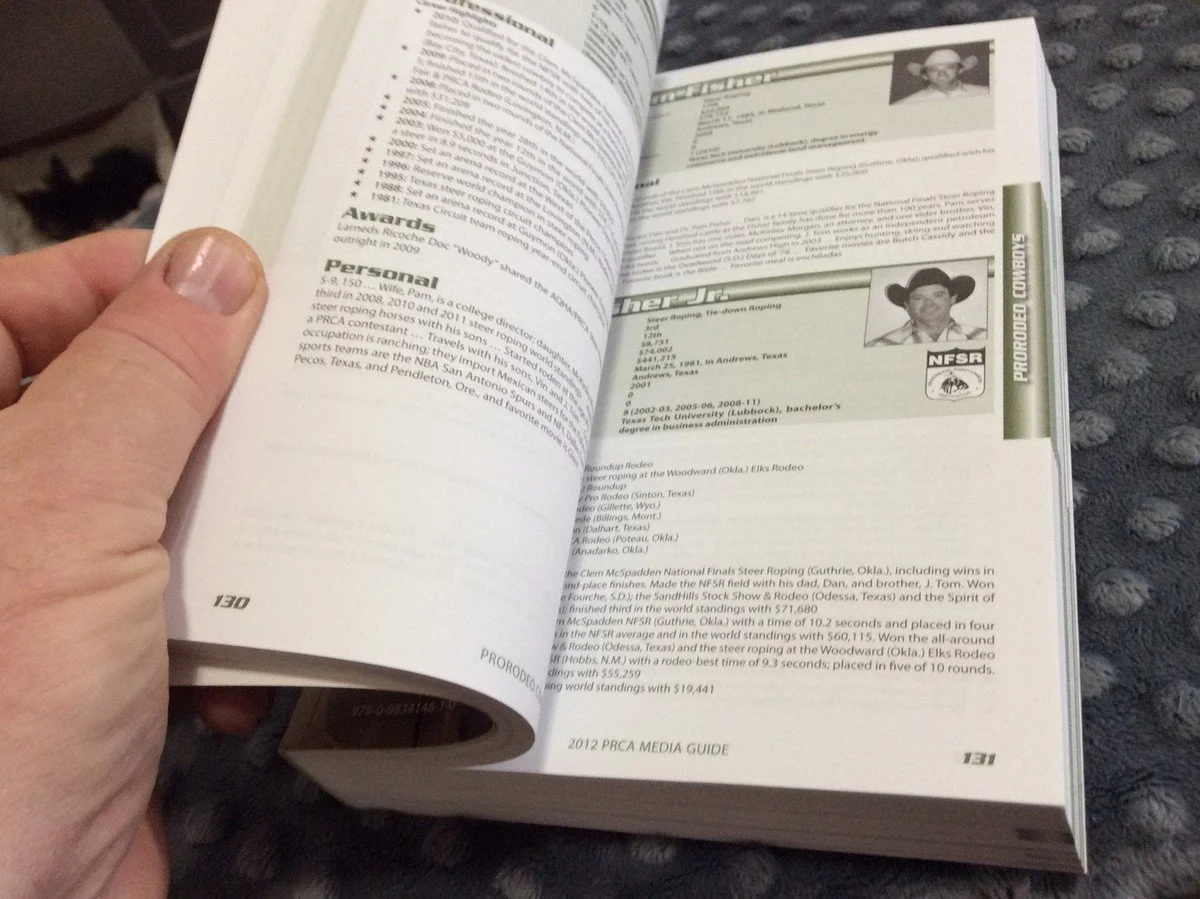
Once you know how you study, the next question is what to study. Here's where to start:
PRCA Website: rulebook, media guide, and current event updates
WPRA Website: rulebook and media guide
AQHA Website: rulebook and free downloadable ebooks (genuinely one of the best underused resources out there)
Pro Rodeo Sports News: results, rider features, current happenings in the sport
PRCA Business Journal: association news and insider updates
Pro Rodeo Hall of Fame website
AQHA Judges Handbook
PSN Business Journal
A note on accuracy: always cross-reference. The 2024 PRCA Media Guide contained an error listing the wrong medium rodeo of the year for 2023. Anyone who studied from a single source and trusted it without checking would have walked into that pageant with the wrong answer. Find it in two or three places before you commit it to memory.
For non-PRCA titles, including local associations, IPRA, high school rodeo, or others, reach out directly to the committee. Ask what they expect on the test. Most of them will tell you, and knowing the format (how many multiple choice or short answers questions or whether it's rulebook-only, etc.) is a significant advantage.
Make It Fit Into Real Life
The biggest mistake isn't studying wrong, it's not studying at all because it feels like one more thing to fit in. The antidote is integration, not addition. You don't need a dedicated study hour if you can find ten minutes at a time.
Read one rule before bed instead of scrolling.
Name the parts of your saddle while you're tacking up.
Listen to a rodeo podcast during your commute or morning chores.
Hand your flashcards to your mom and have her quiz you while you're driving somewhere.
Before the next run at a rodeo, try to spot a rule you read this week actually happening in the arena.
Sprinkle study-time in and keep it moving. Slow and steady beats a six-hour cram session every single time, for retention, for confidence, and for showing up to your pageant feeling like you actually know this stuff. Because you will.
Want more expert insight like this?
This blog post was adapted from the "Study Smart, Score High" online clinic with Amber LaCross. Project Pageantry's Academy sessions bring top coaches and titleholders straight to you — no travel required. Get tips, techniques, and insider knowledge that can elevate your performance in the arena.Find and sign up for upcoming clinics here.
About the Author
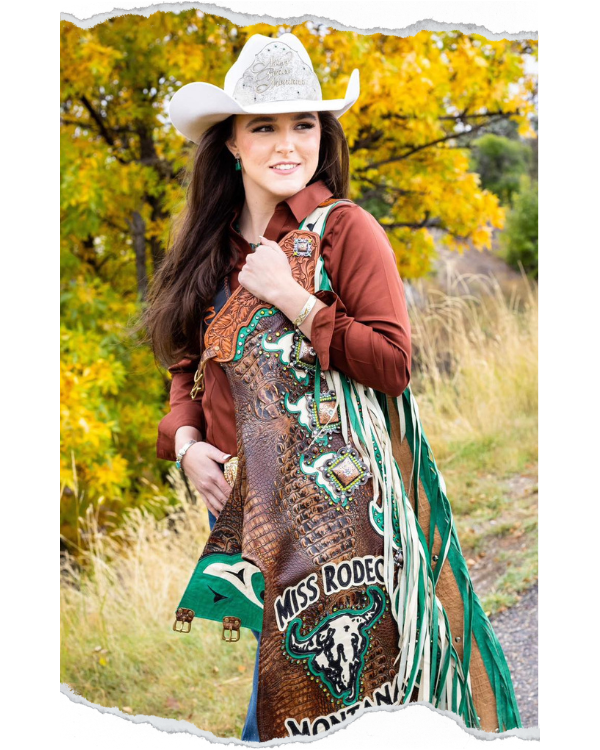
Amber LaCross is an educator with over a decade of experience working with learners of all ages, and holds a Bachelor of Science in Early Childhood Education. A lifelong student of rodeo, Amber has won the written test award at every pageant she has competed in — from local titles to the Miss Rodeo America stage, where she competed as Miss Rodeo Montana 2024.
After finishing her time as a titleholder, Amber channeled her passion for learning into Royal Knowledge, a business dedicated to helping rodeo queen competitors build their study skills, tackle written tests with confidence, and develop the knowledge base that makes a truly well-rounded queen. She is available for mock interviews and study consultations and can be reached through her Royal Knowledge business profile.
