
Shy Girls Can Be Rodeo Queens—Here’s How
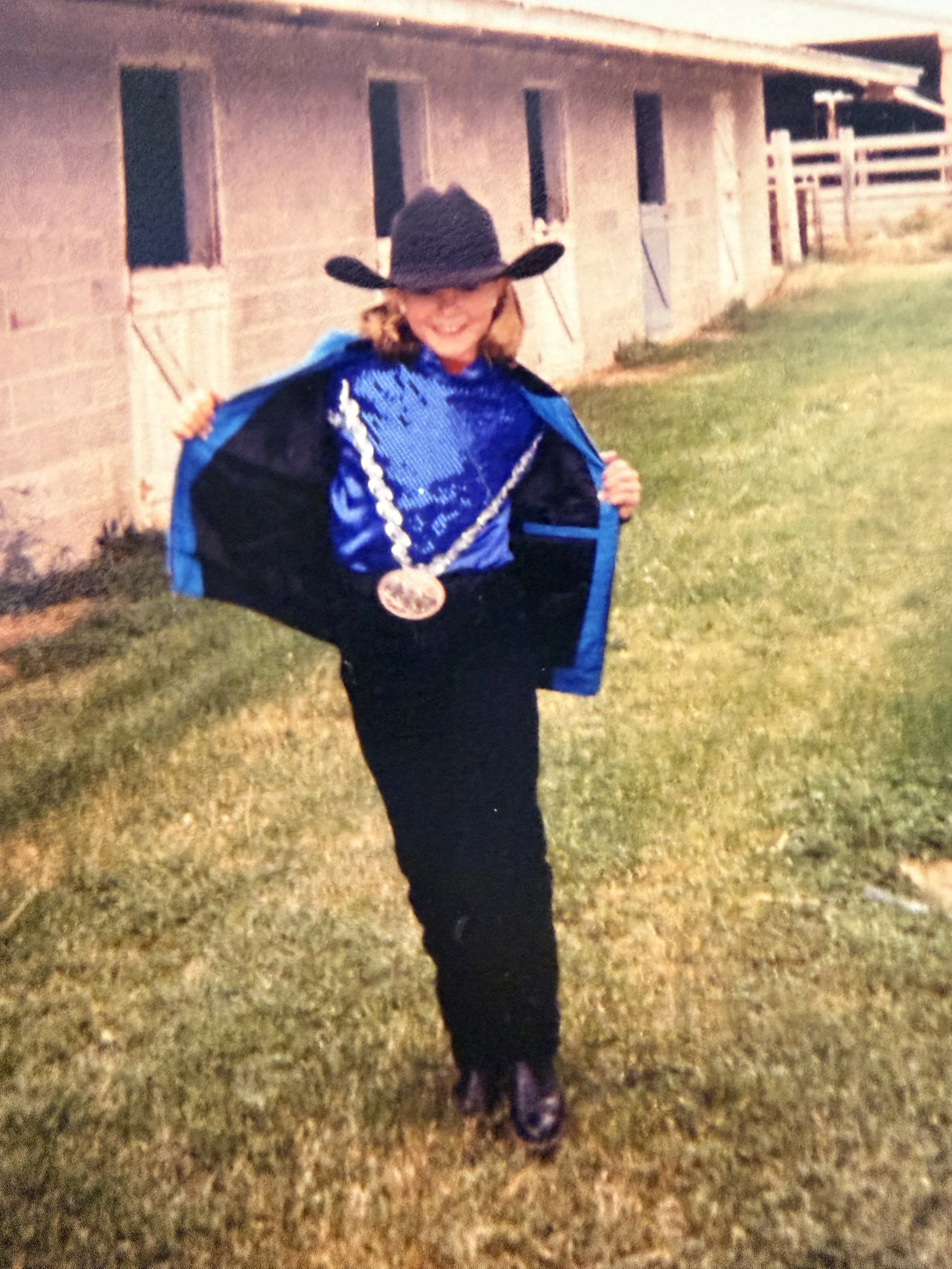
I was the horse girl. 4-H, jeans that never came off, a denim jacket with an embroidered horse head, the whole thing. I loved to ride more than I loved almost anything else as a kid. But put me in a room full of people instead of a room full of horses, and I turned into a completely different creature. I was the one hiding behind my mom's leg, saying nothing, watching everything.
I was quiet and observant. The kid who noticed everything and said none of it out loud.
My mom, who'd spent years in PR and had directed a city pageant, took one look at that and thought only that she would fix it.
So at nine years old, she signed me up for my first rodeo queen pageant. And, well, here we are.
Here's the part I don't think people expect: I didn't wake up one day cured of shyness. I still have to put on my confidence. My natural setting is still reserved and introverted, and still the kid who'd rather watch than talk. What changed is that I learned how to turn on "rodeo queen.” Not as a mask or something fake, but as a set of behaviors I know how to reach for on command.
If you're a shy girl reading this, or the parent or grandparent of a shy girl, wondering if queening is a good fit, I'm proof that it is. You don't have to stop being you. You just have to learn the moves.
Confidence Isn’t a Personality Trait
I came across this idea recently while listening to communication coach Vinh Giang, and it stopped me in my tracks because it described the exact experience I’ve had my whole life.
He shared that shyness isn't who you are; it's just a set of behaviors you've practiced so consistently, for so long, that they've started to feel like your identity. Confident people aren't running on some trait you were born without. They've just been practicing a different set of behaviors, on repeat, until those became automatic, too.
That reframes the whole thing, doesn't it? You're not "a shy person" trying to become someone else. You're someone who's been rehearsing shy behaviors for years out of comfort, and rehearsal is a thing you can redirect.
Giang breaks the behaviors down into three categories, and honestly, the second I heard them, I recognized every single one from my own years queening.
1. Visual — what you do with your body
Shy: Eyes down, or darting, or anywhere but on the judge or people in front of you. Shoulders rolled forward, chin dropped, body folded in on itself. Hands clasped tight, elbows pinned to your sides, taking up as little space as humanly possible.
Confident: Steady and deliberate eye contact, with the judge, the camera (or phone), and the crowd. Shoulders back, chin level, and feet grounded. Gestures that are big enough to see from the back row, using the space you've been given instead of shrinking from it.
The thing about visual cues is that they land before you ever open your mouth. A judge reads your posture walking into the interview room before you've said a single word. Your body has already made an impression, and the question is whether it's the one you meant to make.
2. Vocal — what you do with your voice
Shy: Low volume, even when you have a microphone; mumbled words; soft consonants; and sentences that trail off. A flat, single-note (or monotone) delivery with little to no rise and fall, no matter what you're saying.
Confident: Volume that matches the setting, whether it’s an interview room or on-stage speech to a roomful of people. Crisp articulation, where every word is clear and understood, and melody to your voice, which means it has highs and lows. This variation is what makes you sound alive, instead of like you’re counting the seconds until you can get out of view.
This one matters more in queening than almost anywhere else, because so much of what you do, from speeches to on-camera interviews, reels, and school visits happen in a setting where being heard is important, and you have few chances for people to ask, “Can you say that again?” If they have to work to hear you, you've already lost some of the room.
3. Verbal — what you do with your words
Shy: Rambling, circling the actual point without ever landing on it, or staying too quiet altogether, because silence feels safer than risking the wrong answer.
Confident: Structure, knowing where your answer starts and where you want it to end before you open your mouth, and speaking up in the first place because you feel comfortable taking up space.
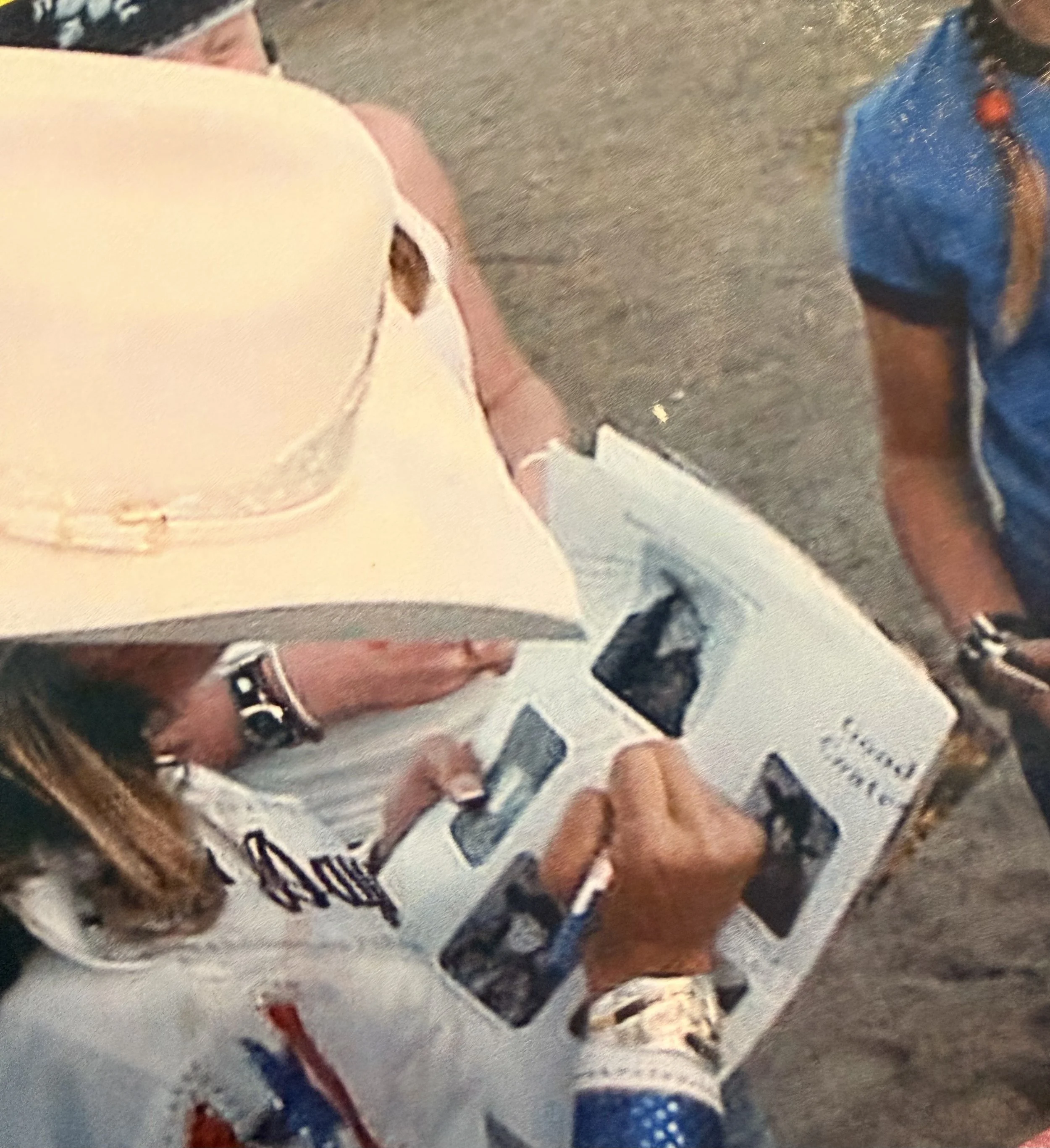
That last one is the quiet killer. It's tempting to think that staying quiet keeps you safe from judgment, but in a pageant, invisible doesn't read as humble; it reads as unprepared or unfit for the job. The girls who speak up, who answer fully, who put themselves in the middle of the room to meet people, make connections, and talk to the judges, are the ones who will be remembered and the ones who will have the opportunities. It’s not about being self-centered or vain; it’s about wanting the job and showing that you’re ready for it.
Why It Matters at All
None of this is about faking a personality you don't have. It's about recognizing that "confident" isn't a trait some girls are handed at birth and others aren't; it's a set of learnable, practicable behaviors. Eye contact, posture, volume, articulation, structure, and speaking up. Every one of those is trainable, and none of them require you to stop being an introvert in your regular life. (Thank goodness!)
I still am one, and I still need quiet time after social events, even if they’re for work. I still default to watching before talking. But I know exactly which behaviors to reach for when I walk into an interview as an adult, a room full of people I need to network with, or a presentation, and that's what we’re here for. Not becoming a different person, but to learn and practice skills that make you the best version of yourself. You deserve success, and confidence is so much of what will get you there.
So if you're the shy girl, wondering if this sport is really for you, know that it is. You don't need a different personality. You need the toolkit and the reps.
If you want help building those reps — interview practice, stage presence, all of it — that's exactly what our personal coaching is for. Email me!
