
The 5 Ps of Public Speaking Every Rodeo Queen Can Practice
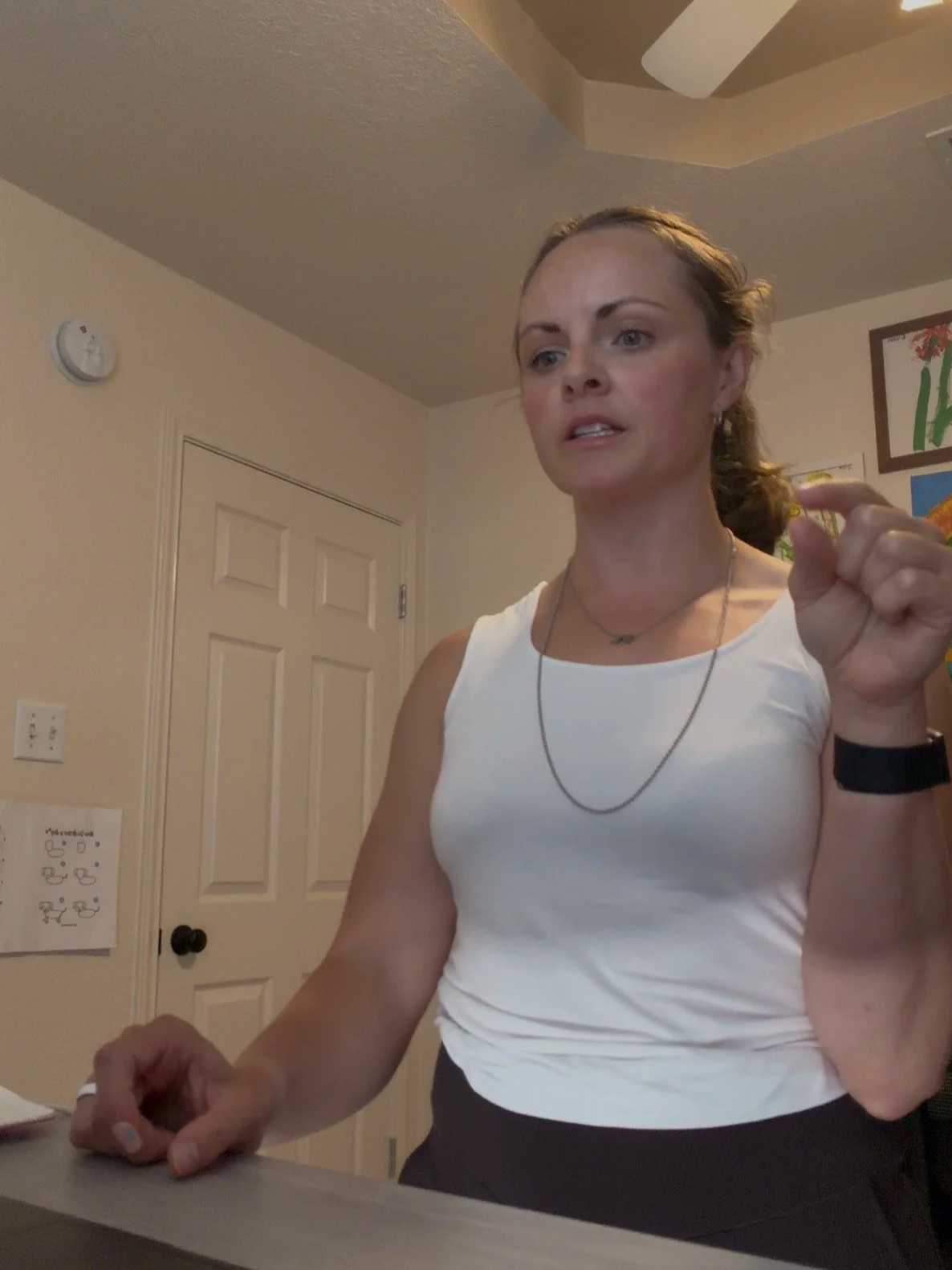
Practicing the 5 Ps can give you a better understanding of how your voice works so you can bring in vocal variety to your speech and sound more authentic and less like rodeo queen robot.
If you want to break free from “queen voice” and develop a dynamic, memorable, authentically yours speaking style, there's a framework that makes it possible. It's called the “5 Ps” of public speaking. Once you understand them, you'll never hear a speech the same way again.
1. Pace
Pace is simply the speed of your speech. But the real power isn't in speaking fast or slow; it's in the contrast between the two.
Think about great reining runs (or your horsemanship pattern). What makes them exciting isn't just the big fast circles and big stops; it's the dramatic difference between big fast and small slow circles. It’s the precision of the maneuvers. Your speech works the same way. Speed up when you're excited or to show urgency. Slow down when something matters or is heavy. That contrast keeps an audience engaged and shows your mastery.
2. Pitch
Pitch is the emotional expressiveness of your voice, and how you go up or down relative to your normal speaking tone. Most “queen voice” patterns stay in the same range, hitting the same high-low pattern every single sentence throughout the entire speech.
Breaking that habit means being intentional about where you pitch up or down. Try going low before you go high. Try dropping your pitch at the end of a sentence where you'd normally trail up. Surprise the audience's ear, especially one that’s heard 1,000 speeches, and they'll keep listening.
3. Pause
Pausing is one of the most underused tools in public speaking, and one of the most powerful. A well-placed pause doesn't mean you forgot your words, which is how it can feel in the moment. It means you're giving your words room to breathe.
Pauses isolate the moments that matter. They let the audience absorb what you just said before you move on. When used around a rhetorical question or an important point, they create genuine energy in the room.
A pause is not a filler word. It's not an "um" or a "like." It's intentional silence, and intentional silence commands attention.
4. Projection
Projection is about reaching every person in the room, whether you have a microphone or not. It's not about being loud, it's about speaking from your diaphragm rather than your head voice, with confidence that travels.
You know the difference when you hear it. Think of a national anthem performance where someone is straining to hit notes outside their range versus one where the singer is completely in their power. Projection is about finding that power in your own voice.
5. Passion
Do you believe what you're saying? Can the audience tell?
Passion, or conviction, is what transforms a recitation (or going through the words) into a speech. It's the difference between saying the words you've been told to say, and even how you’ve been told to say them, and genuinely meaning what you say. It comes through in your tone, your energy, and the look on your face.
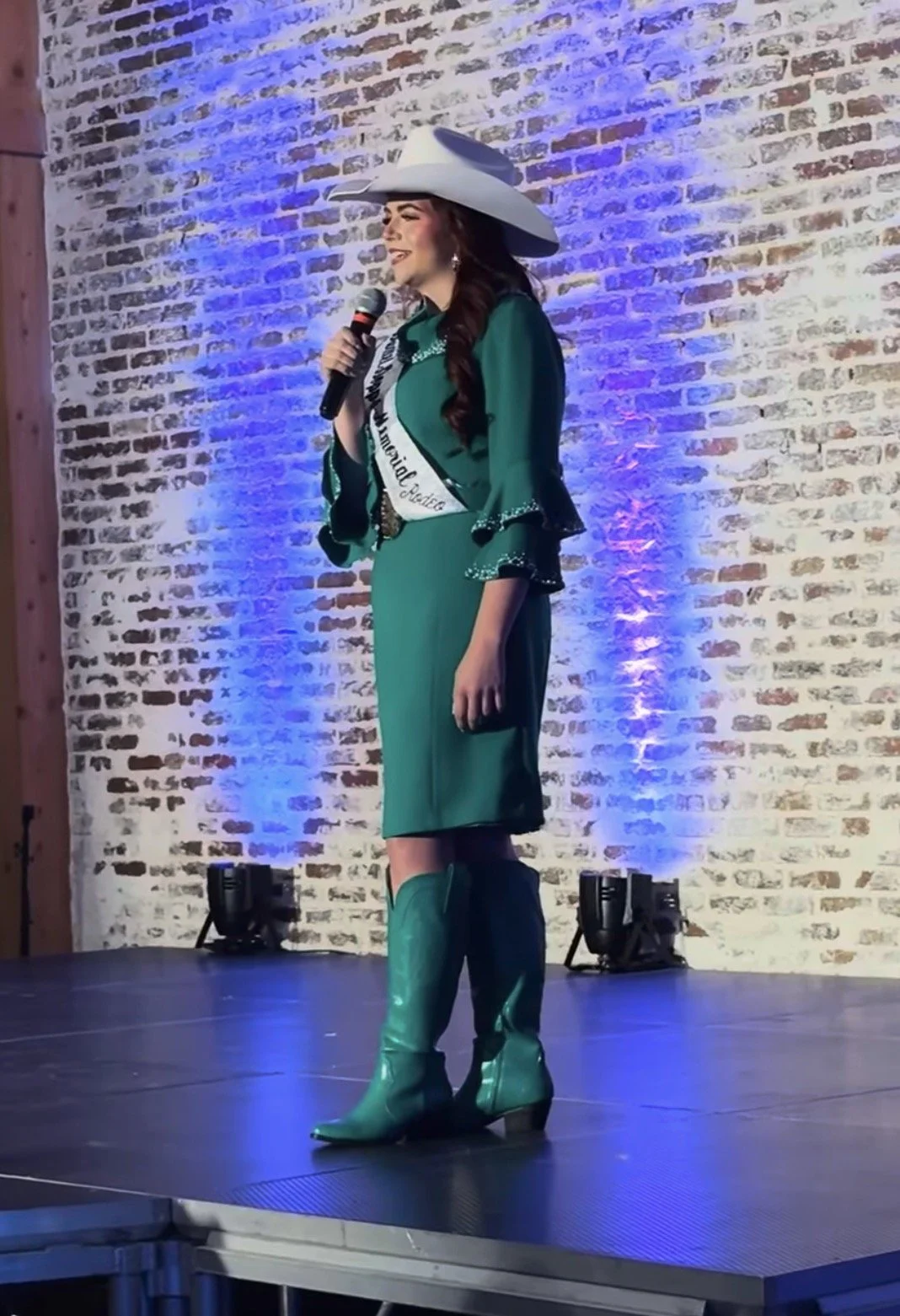
No amount of technical vocal variety will compensate for a speech that feels unbelievable. Passion is what makes everything else land.
Putting It All Together
The 5 Ps aren't just performance tricks that apply to practice but not to competition. They’re the building blocks of authentic, dynamic communication. And the best time to start using them isn't when you're already on stage. It's when you're sitting down to write and memorize.
Ready to practice? The Public Speaking Handbook has videos with demonstrations of the vocal variety techniques described here as well as exercises to help you learn them. Grab the workbook.
